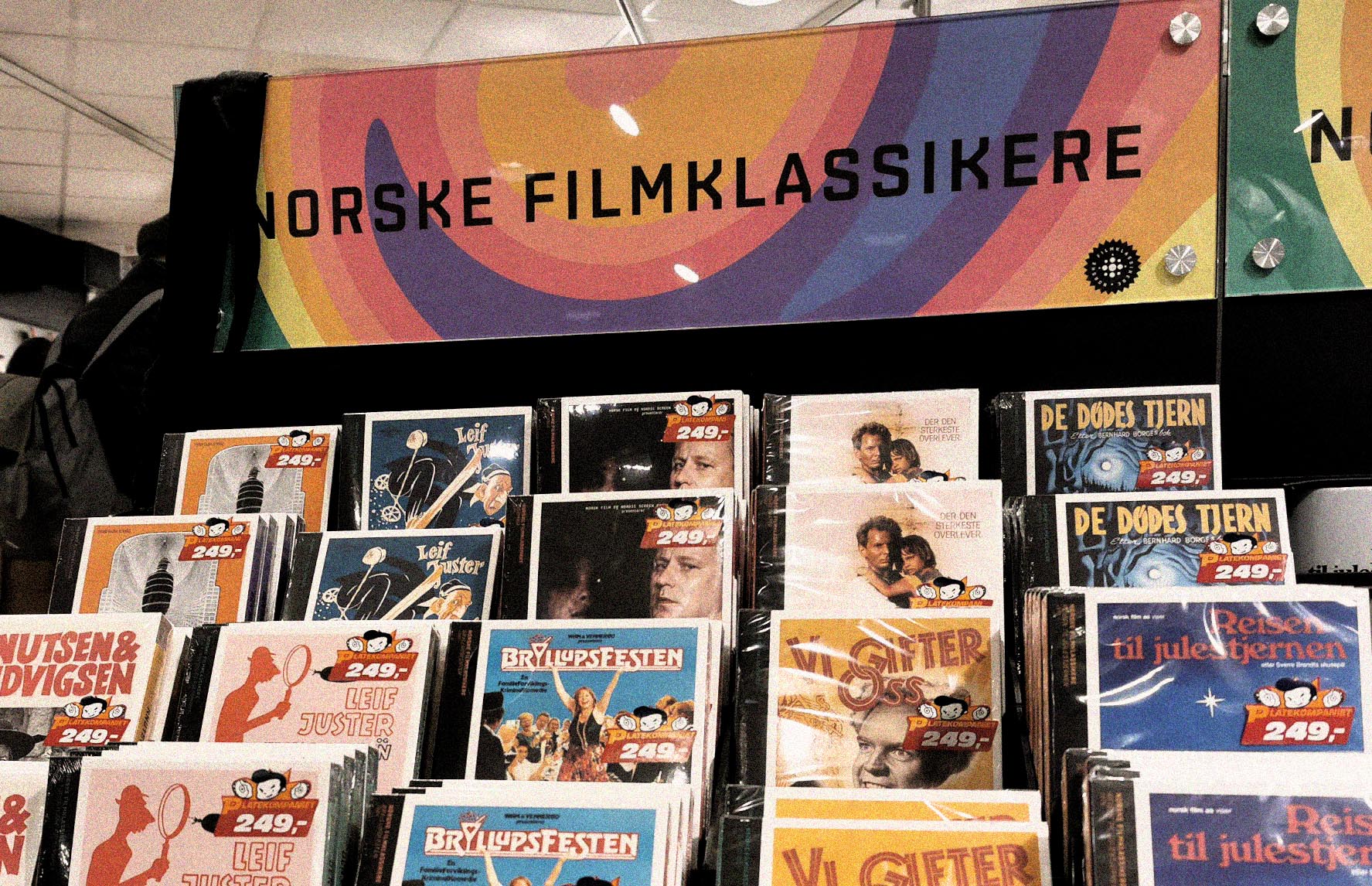
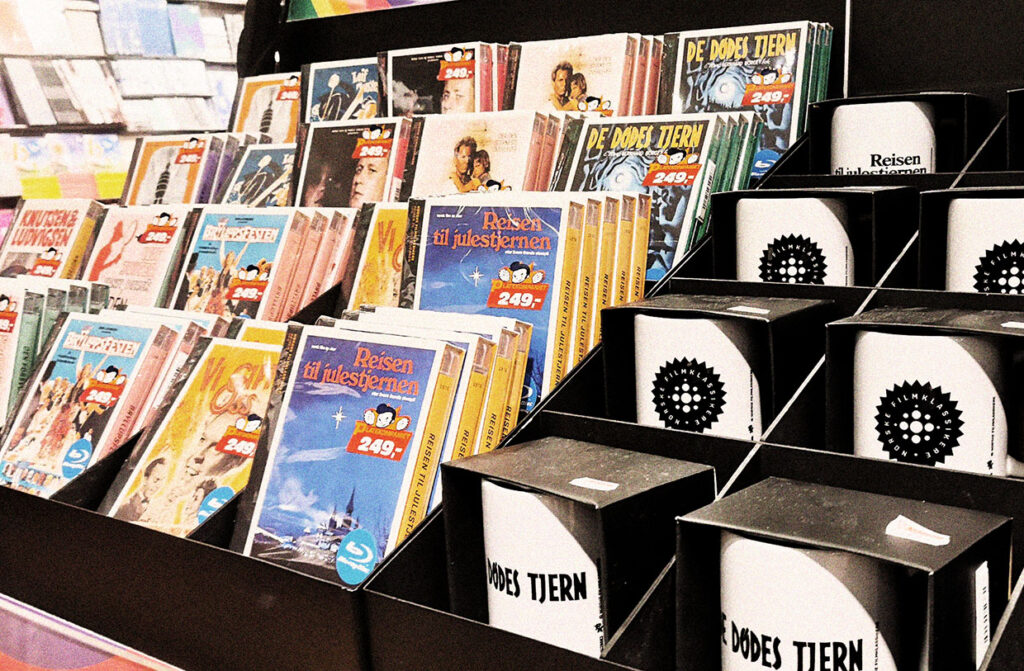
To save Norway’s film heritage, Norwegians have turned to crowdfunding, and more than a hundred films have already been rescued and released on Blu-ray. Norwegian films have been notoriously hard to access, and a group of dedicated enthusiasts have decided to do something about it. The authorities have largely failed Norway’s cinematic treasures, so people have taken matters into their own hands.
The film project is called Norske Filmklassikere, and the first film was put up for crowdfunding on 5 October 2023. Now, more than two years later, a total of 111 films have been released, and right now ten more films are currently being crowdfunded. So far, the project has been an unqualified success, and every film that has been launched has reached its funding goal. It remains to be seen whether future films will continue to make it over the line as well, or whether they will eventually meet a more bitter fate
Christer Falck and the “Album Classics” blueprint
Behind the project are Christer Falck and Norway’s largest record store, Platekompaniet. Christer Falck may be best known to many as a contestant on the reality TV series Robinsonekspedisjonen, although that was 27 years ago. What he really ought to be best known for is his work as a music publisher, and especially the project Norske Albumklassikere, which is a forerunner to Norske Filmklassikere. It was essentially the same concept, just aimed at releasing Norwegian music in physical format.
Over the past two years, the focus has been on film – to the great delight of Norwegian film enthusiasts. Norwegian cinema has been particularly difficult to get hold of, not only in physical format, but also on streaming services. Many films have simply been unavailable. Some may have been released on VHS back in the day, some on DVD, and a great many have never had a physical release at all.
The brutal maths of a small market
The reason is fairly simple. Norway is a small country with only five million inhabitants, so it often simply does not pay to release Norwegian films in physical formats. Restoring films, pressing Blu-rays and distributing them is too expensive for the numbers to add up. Many companies have tried without success, and the projects have been short-lived. Older Norwegian films also do not sell abroad, with a few exceptions, of course. There has also been limited willingness from the authorities to spend too much money saving older Norwegian films. In Norway’s second-largest political party, the Progress Party (Fremskrittspartiet), the party programme states that it wants to abolish both the Arts Council Norway (Kulturrådet) and the Norwegian Film Institute (Norsk filminstitutt) (source: NRK Partiguiden 2021). They are not in power, but that could have serious consequences for Norwegian film heritage.
In Norway, it is the National Library of Norway (Nasjonalbiblioteket) that is responsible for safeguarding Norwegian film heritage. And they do. Their archives contain most Norwegian films. But to release them, the films have to be restored, and that costs money. A lot of money. The National Library is constantly restoring films, but it also has to preserve everything else published in Norway, such as newspapers, books and music. Resources are limited, and that is why saving Norwegian film has been a slow process. Still, the National Library has released a number of films through its own publishing arm, such as “Piratene”, “Kristin Lavransdatter”, “Lasse & Geir”, “Reisen til julestjernen”, “Gjest Baardsen”, “Klokker i måneskinn”, “Pan”, “Liten Ida”, and several box sets.
Classics, deep cuts, and everything in between
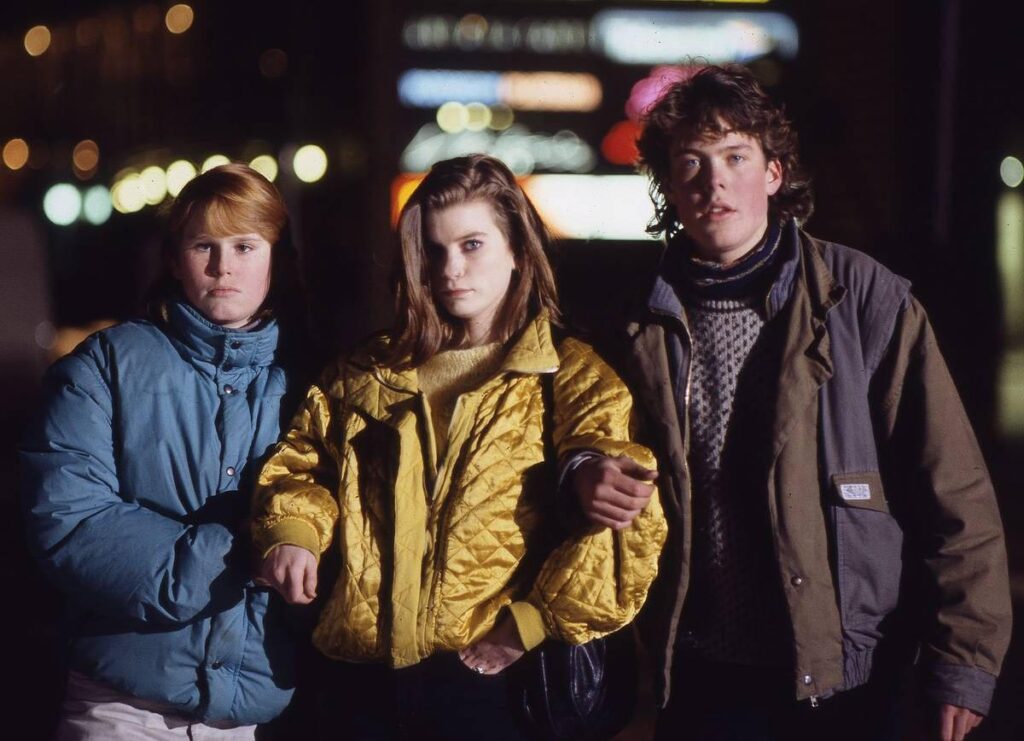
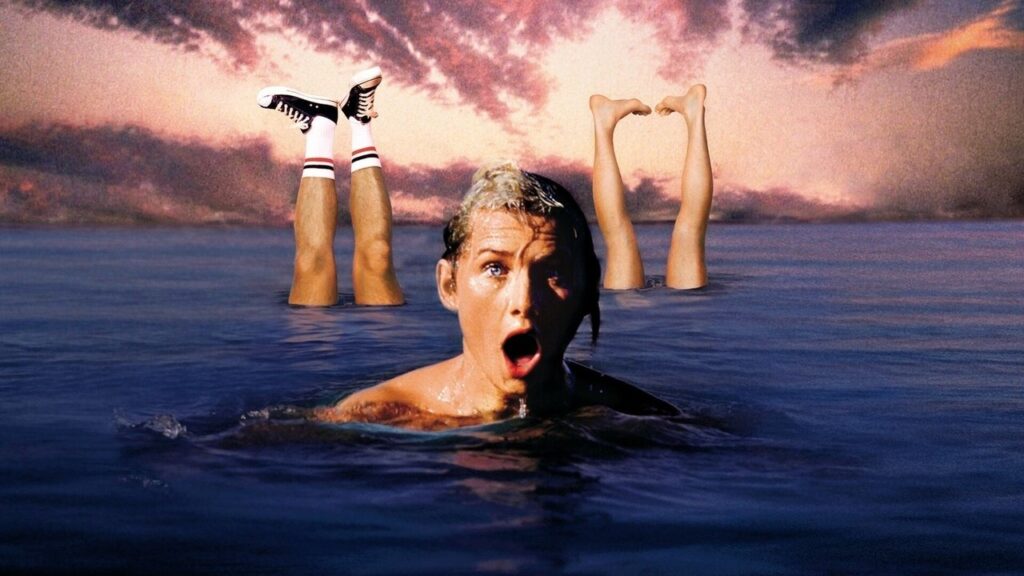
The catalogue of Norske Filmklassikere, however, has gone far beyond earlier film series released in Norway. Among the biggest classics, we can mention “De dødes tjern”, “Fjols til fjells”, “Gategutter”, “Secondløitnanten”, “Nattseilere”, “Døden på Oslo S”, “Naboer”, “Showbiz eller hvordan bli kjendis på en-to-tre!” and “Orions belte”, which is in the newest batch. But it is not only classics that are released in the series, despite the project being called Norske Filmklassikere. It is simply a name. All Norwegian films are welcome, and the goal is to release as much as possible, regardless of quality or popularity. Among the more obscure treats, we can mention “Heksene fra den forstenede skog”, “Gylne ungdom”, “Kimen”, “Hard asfalt”, “Henrys bakværelse”, “Smuglere” and “Blackout”, which is included in the new batch.
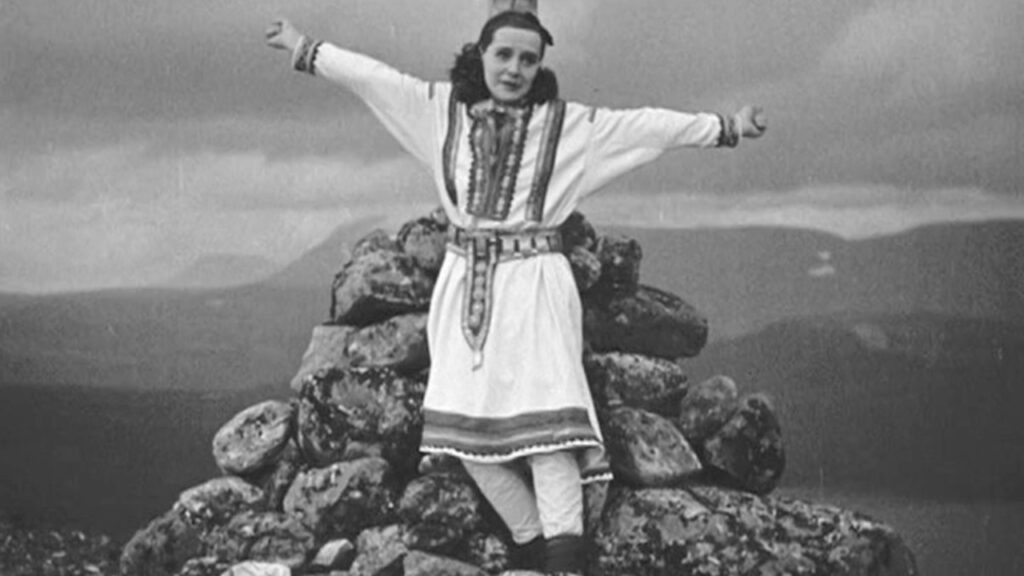
The silent film “Laila” (1929), about the Sámi girl Laila who is separated from her parents as a baby, and which was partly filmed in Finnmark in Northern Norway, has received a lot of attention abroad. As far back as 2012, it was released on DVD by the American company Flicker Alley in 2012, and now it has finally received a full Blu-ray upgrade. Several festivals have reportedly shown interest in screening this new edition in 2026.
The Facebook engine
So how have Christer Falck and Platekompaniet managed what previously looked so bleak? They have done it with the help of the Facebook group with the same name as the project. More than 16,400 members have stood together through thick and thin to make the releases possible. The mobilisation, support and engagement have been strong all the way. One group member many people have noticed is Ole Jon Tveito, who constantly keeps precise statistics on sales, timelines and IMDb ratings. In addition, some of the users have started Filmskatten, which works to crowdfund the restoration of rare films, and so far they have funded nine films. And then there is the podcast Norsk kultfilm, which keeps producing new episodes about the films and interviewing interesting people from the Norwegian film industry.
How to support it from abroad
If you are sitting abroad reading this and thinking it sounds fantastic and you want to contribute by buying Blu-rays, you cannot simply do so directly. Platekompaniet only ships to Norwegian addresses. But that does not mean it is impossible. Many people have had this problem, and members of the group have been helpful. Find the group and ask whether someone would be willing to help you make your contribution and then forward the film to you afterwards. Filmskatten also offer to help if needed by sending them a message on Facebook. A price of NOK 250 for a Blu-ray may sound expensive in 2026, but that is simply what it costs to make this sustainable. You also get a collectible worth keeping, and everyone who contributes gets their name printed on a postcard included with the films.
So if you want to help save Norwegian film, simply go to https://www.platekompaniet.no/crowdfunding and place your bid. Then we can keep our fingers crossed that batch 10 reaches its goal as well – along with all future batches.
About The Author